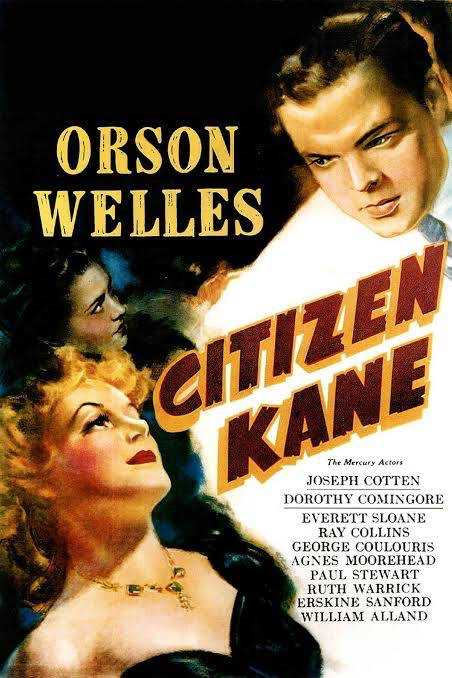
I knew before watching this movie that I was going to like it, but I had a different expectation within the first couple minutes of viewing. It had a sort of horror-esque introduction. It was incredible to see the advances in film at this point, and how they were able to curate something that incited so much emotion. Even in just the introduction, the use of shadows was amazing. As the film progressed, there was more and more to dissect. The visual style of this film built an air of mystery, with beautiful and creative takes. I also found it similar to Kubrick’s “The Shining” both in camerawork and plot. Although, I could find no direct correlation. Then, the reveal of “Rosebud” revealed and said so much without directly saying anything.
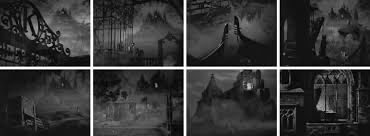
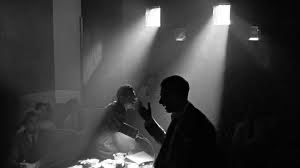
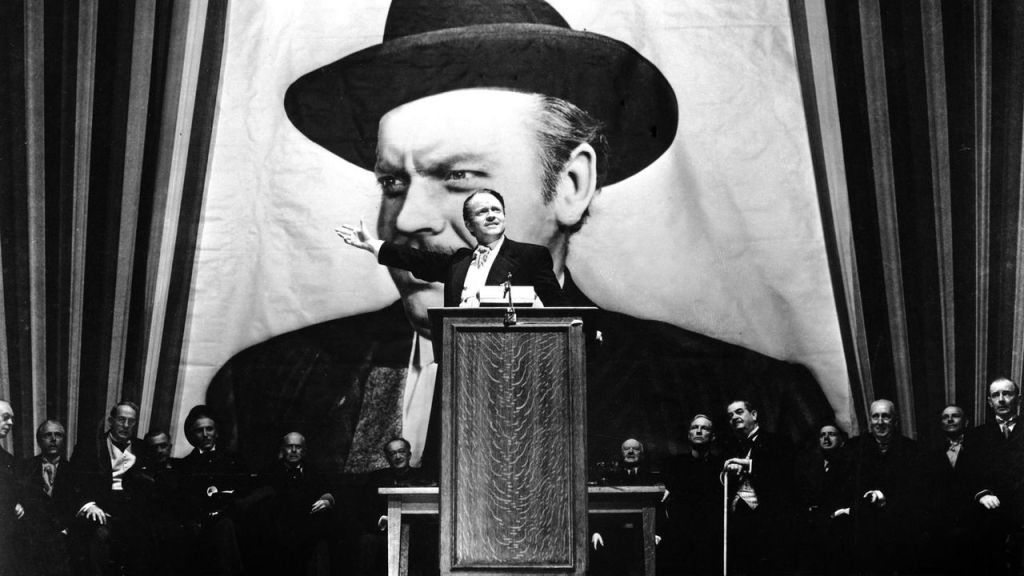
The visuals of this movie were bold and moving. Low shots, angled from the ground up, gave a sense of tension. Often used to represent feeling “small”, such as when Kane returned to the office after his political career was ruined. In the beginning, when the reporters were talking to each other, their faces were often hidden in shadow. They are in an incredibly dark room with dramatic lighting streaking in through the windows. This makes the scene mysterious and murky, as we, too, are in the dark about the meaning of “rosebud.”
I noticed a lot of similarities between Citizen Kane and Kubrick’s “The Shining”, although there was no direct correlation I could find, which was really surprising. I found Kane’s facial expressions and descent very similar to Jack Torrance. This was really noticeable when he was living in the castle. The big, open space, yelling at his wife, and the intense feeling of solitude, were all themes of The Shining. Likely, there wasn’t any direct inspiration, but Citizen Kane was so influential in the world of film, that it more indirectly inspired The Shining in technique. The descent into madness and obsession was also very similar.
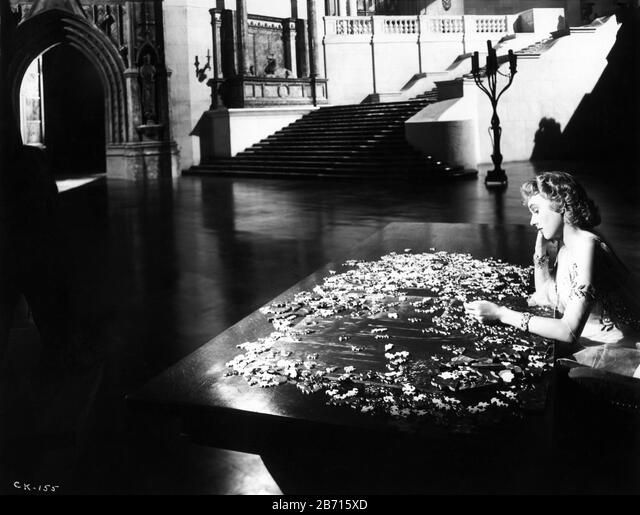
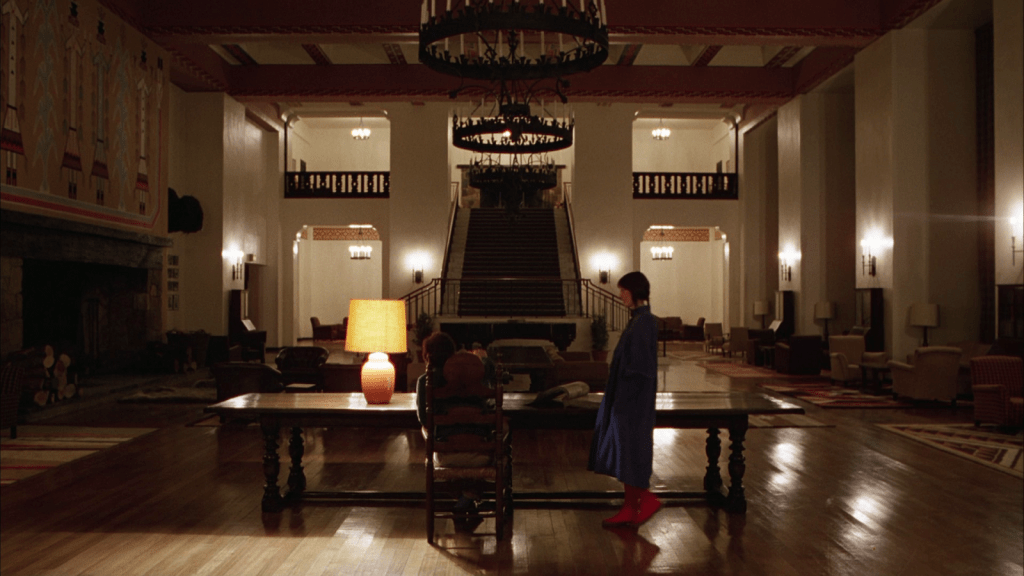
Scene from Kubrick’s The Shining
At the end, the meaning of “Rosebud” is revealed to us very subtly. This references the only tie that Kane had to his life before power, a completely unrecognizable person compared to who we see in the final scenes. It reflects the descent of his life, from being a “man of the people”, showered with love and attention, to dying essentially alone. Despite still being surrounded by people in his house, he is completely isolated. He spent his whole life chasing a high, looking for endless praise and celebration. This is why he forced his second wife to continue opera. He couldn’t overcome his ego and let go of that dream because he was constantly searching for a new high. Although, initially, it seemed as though he was supporting her, it became clear that he was trying to use her for his own gain. Kane was taken from a simple life, to one of constant work and energy. It was due to his father’s potential abuse, which was never quite delved into, that his mother felt the need to give him a new life. Rosebud was that last reminder of a simpler life, and an expression of regret from Kane.
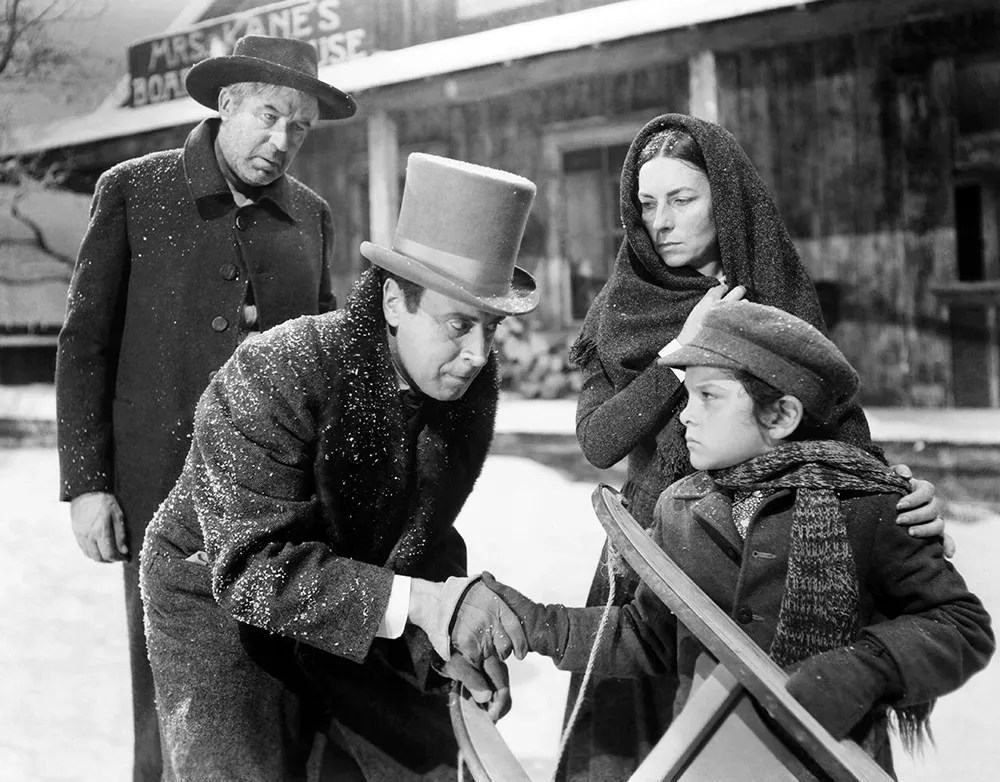
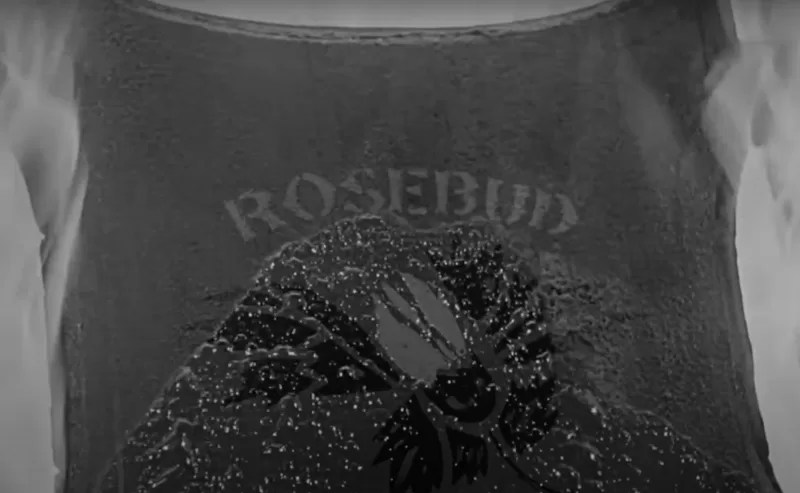
This movie speaks to how obsession and greed changes people. Kane changed from an innocent child, to a man of the people, to a greedy, isolated, and abusive husband. It is clear how much influence this movie had both in writing and visual aspects. It was incredibly refreshing to see this style. It seems almost modern in presentation. I have noticed a recent drop in visual quality in film over the recent years. We are starting to lose this art of lighting and atmosphere. A lot of films today seem bleached and lifeless, lacking the mystery of shadow that Citizen Kane creates. A lot of movies now are curated specifically so the audience can be simultaneously on a second screen, and there’s a clear decline in quality. Watching a movie like Citizen Kane was so enveloping because it was made long before short form content and phones. It’s like watching a modern film without the slop, with focus on visuals and intent. I think there’s a lot to be learned from this film, both in individual life lessons, and stylistic choices for future movies.
 Aliyah's Archives
Leave a comment