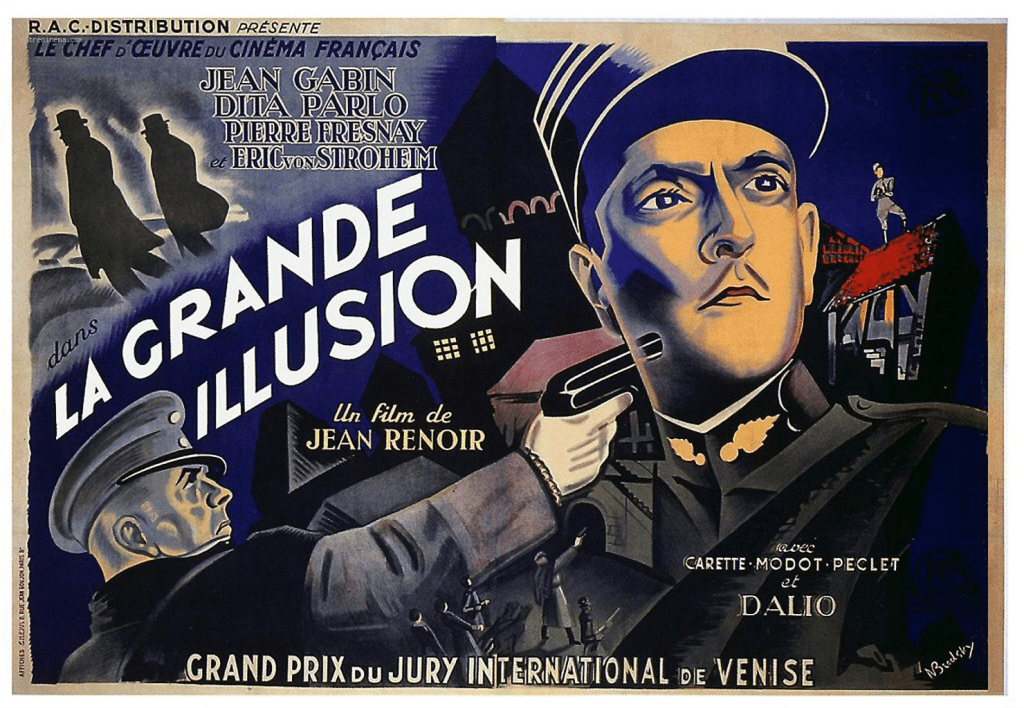
I went into this movie with no particular expectations. It didn’t necessarily stand out to me as something I would greatly enjoy, nor did I think I would dislike it. In the beginning, I found it incredibly difficult to follow, but as the plot progressed I was able to put more pieces together. I also read about the movie online before writing this so I would have a clearer idea of the plot. I was incredibly intrigued by the historical element of the movie. So, that’s mainly what I focused on and chose to reflect on. In a lot of ways, it relates to the struggles we face today in modern America. This movie speaks to an empathy that is incredibly important today, and shows us how we can work to recognize the true intentions of war, and the purpose of humanizing each other.
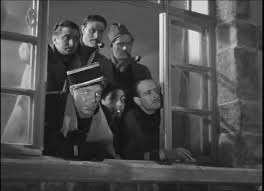
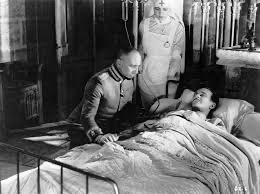
The connection and understanding that is expressed between German and French soldiers throughout this film is deeply refreshing and sparks a lot of reflection. I think this movie is incredibly important for recognizing each other’s humanity, even in times of intense conflict. In the beginning of the movie, French planes are shot down by German soldiers. Lieutenant Marechal and Captain Boldieu of the French army are then invited to eat lunch with the German soldiers before being sent off to a prison. The conversationalism that is expressed between the German and French soldiers makes it hard to believe they are at war. Throughout the movie it is constantly expressed that the war is not happening by the desires of the people or soldiers. This is especially present between Boldieu and Rauffenstein, who are simply fulfilling their duties and loyalties to their countries. Despite this, they still show a deep respect for each other and the choices they make, even though they have opposing loyalties.
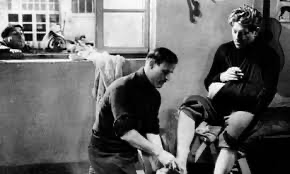
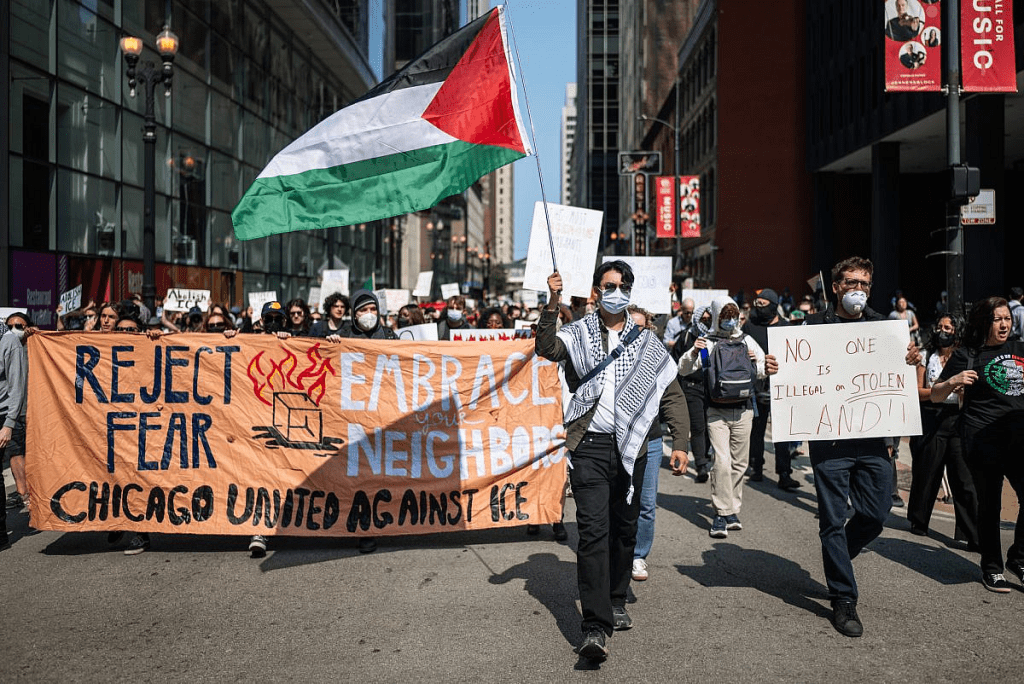
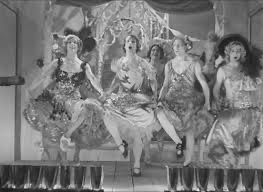
Today, we face an administration that seems to dehumanize those we see as a current threat. Deportation has reached such a violent and illegal point, that many Americans (even those who initially supported the movement) have turned away from the government. There is a significant portion of our population who doesn’t recognize this, but we are beginning to see people come together in a way that this country has needed for a long time. This movie speaks to the way that people fulfill duty and loyalty to their country, but still holds on to the idea that the other side is human. I think this is exactly the struggle and realization that we are coming to in modern America. With incriminating and disgusting evidence about our politicians coming out in the Epstein files, the increasing recognition of Israel’s genocide of the Palestenian people, the American government’s unbridled loyalty to Israel, and the violent and illegal acts of ICE, the American people are beginning to realize that the government doesn’t exactly fit into the courteous and just “Illusion” we’ve always been taught to believe. In The Grand Illusion, there is an important distinction between those orchestrating the war and those physically in the war. Again, this is a realization that modern Americans are coming to today. The desires of those in power are not necessarily the desires of the regular citizens. We absolutely need the humanity that is vocalized in this film to affect our perspectives today. We are constantly told to blame those around us rather than those in charge, and it’s all ultimately a distraction from the way those in power use citizens to their advantage. One particularly relevant scene was when the French prisoners were performing in drag. A lot of people in the current political climate try to demonize drag, as if it hasn’t been a historical aspect of our lives for centuries. It’s often framed as something new that people should be wary of or something perverted, when in reality it has been a human expression of art for hundreds of years.
It is incredibly telling that this was one of the movies banned by the Nazis. It was anti-war, inclusive, and humanist, all the things the Nazis stood against. They didn’t want their people to have the perspective that the opposing side was human and deserved respect, because that would greatly limit their powers. A lot of Nazi rhetoric included dehumanizing the Jewish people (such as the character Rosenthal), as well as anyone that stood against their ideals. Allowing people to see this respect and compassion for the other side, including being critical of those in charge, would be detrimental for a fascist government. Facism relies on obedience, submission, and fear. Without this fear that the other side is something other than human, something dangerous, it’s exponentially harder to control a population.
Separate from the plot and implications, the camera work of this movie was also important for its time. I found that, compared to what we had watched before, this moved more fluidly. Rather than having cuts throughout scenes, the camera would pan to different parts and individuals in the scene. It felt more enveloping this way. It was less choppy, and made the movie feel more lifelike. This was especially noticeable in scenes where guards were searching the rooms of prisoners, when there were a multitude of things happening in different corners of one room. Also, in conversations. Rather than fitting both people in a conversation in the same shot, which felt more unnatural, it would focus and move depending on the direction of the conversation.
While this wasn’t a movie I found particularly enthralling, I do understand how relevant it still is today. I find the connections and implications more interesting than the movie itself. We’re in a weird sort of political limbo in modern America. Some people are still showing unbreakable loyalty to their government, and some people are realizing the awful intentions and secrets behind the people in charge. I don’t think it’s necessarily the same in comparison, but it still opens up an interesting perspective. Now, we often feel less of an intense loyalty to our government and its wishes, and seek more to connect with a variety of cultures, compared to the time period in which The Grand Illusion was made. War is something that seems entirely plausible right now, and yet outdated to us. This movie expresses how far we’ve come, and how far we have yet to go. It shows a compassion that we are now searching for, and yet the same unbridled loyalty we must break from. The movie recognizes the conflict between government and its people, but focuses more on the individual relationships between and among cultures. To break from this, we must turn our heads up to those in charge, rather than blaming those right next to us. The real problems are right above our heads, making decisions for us, and deciding who is and who is not deserving of humanity.
Sources:
Ebert, R. (1999, October 3). Grand Illusion Movie Review & Film Summary (1937) . Roger Ebert. https://www.rogerebert.com/reviews/great-movie-grand-illusion-1937
 Aliyah's Archives
Leave a comment